Who can be a Forward Deployed Engineer at Mindsprint? CTO Navin Nair explains
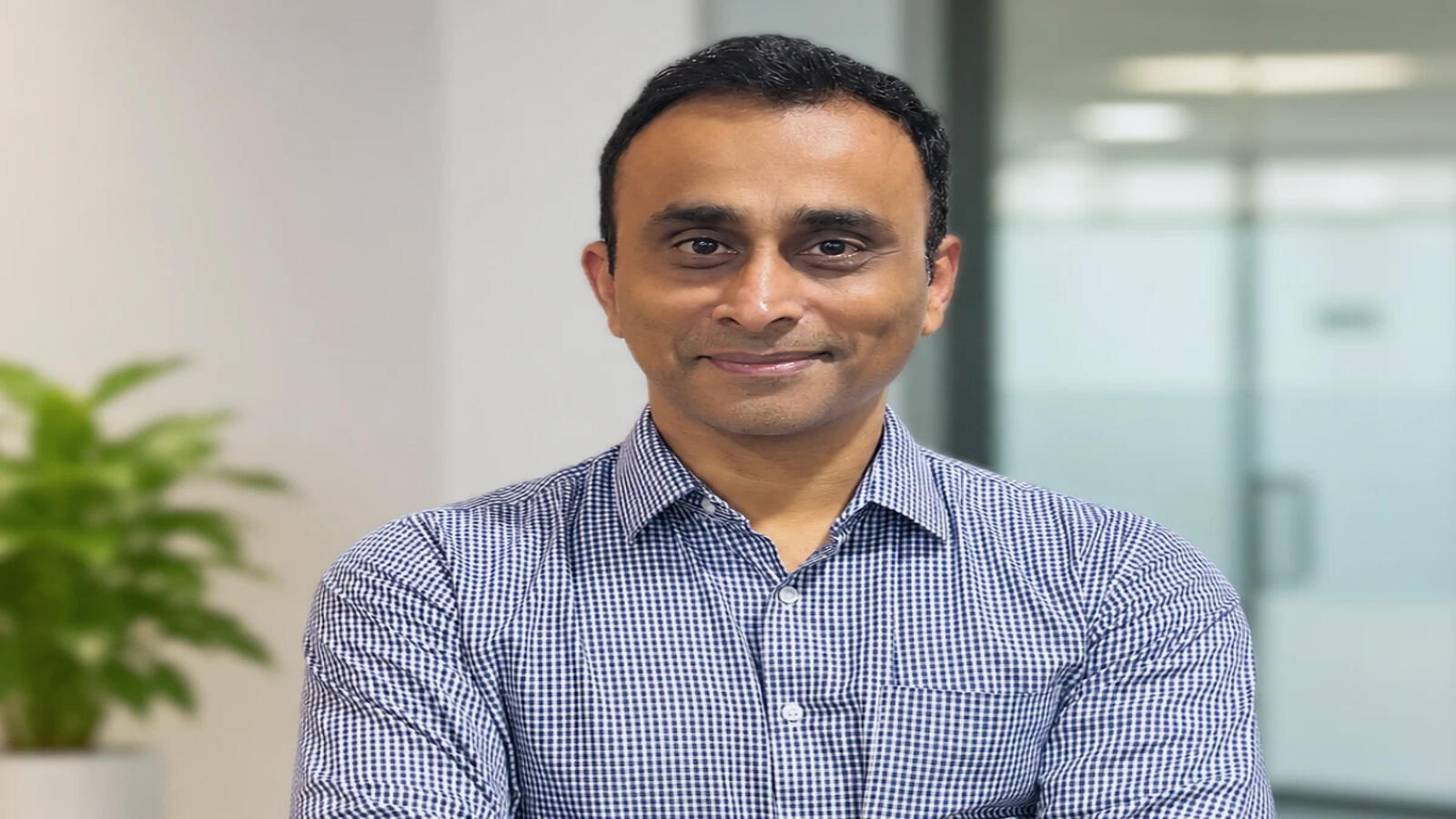
Navin Nair, CTO, Mindsprint.An AI model can be brilliant in a demo and still fail in an enterprise setting.
To bridge the gap, a new breed of technology professionals emerged called – the Forward-Deployed Engineers (FDEs).
Working shoulder-to-shoulder with customers, FDEs take AI out of the lab and ensure it works in an enterprise environment, where it matters most.
According to India's FDE Opportunity Report by Scaler, nearly 88 per cent of Indian enterprises expect demand for FDEs to rise by 2030.
The same report also states that 98 per cent of enterprises believe it will move beyond being a niche role.In an interaction with ETEnterpriseAI, Navin Nair, Mindsprint CTO, said, “The way we are going to work with the customers is going to fundamentally change.
The way the roles are defined is going to fundamentally change.”Traditionally, building software required a team of business analysts, product managers, developers, testers and deployment specialists.
But AI is changing that model.FDE is a generalist rolePopularised by Palantir, the FDE model embeds engineers directly with customers, placing them at the intersection of technology and business to solve complex, real-world problems.
But at Mindsprint, FDEs are not necessarily AI experts whose only job is to make AI work, according to Nair.“The classical definition, popularised by Palantir, is about making the last mile of a platform work and solve a business problem.
It could be an AI or a non-AI platform.
The same principle applies today, except that AI is now a bigger part of the equation,” Nair explained.Moreover, he believes, the definition of an FDE differs across organisations.
It also varies according to the business problem the service provider is trying to solve.“An FDE needs to understand the business problem first, and then know how to use AI tools to solve it.
It is essentially a generalist role, bringing domain experts and technology specialists together,” he said.Indian IT giants, such as TCS and Infosys, have all announced their plans to hire or train FDEs in the coming years.
For instance, TCS said it is building a team of 8900 FDEs.
Similarly, Infosys’s number stands at 6,000.However, as a relatively smaller player, Mindsprint, now part of Wipro, is unlikely to match the scale of FDE teams maintained by its larger competitors.“We are a relatively small company with over 3,000 employees.
We also want to experiment with different variations of engineers.
We will have 150 FDEs trained by the end of this year in the first batch.
We are going to add more when the next batches complete training,” Nair said.Mindsprint’s FDE strategyMindsprint is adopting a tailored approach to FDE training, with curated programmes designed for different experience levels and specialisations rather than a one-size-fits-all model.“The current batch is more aligned with software development, while the next batch I am working on is focused on data engineering, as the technology stacks are different.
We have identified four or five such specialisations because one FDE cannot be expected to do everything.”Moreover, Mindsprint refrains from using the term FDE internally.
Instead, they are referred to as the SWATs, which stands for Specialised Work Acceleration Teams.Who can be a FDE at Mindsprint?When asked who qualifies to be an FDE or SWAT at Mindsprint, Nair said it's not about the right profile, but the right mindset.
Someone fresh out of college, with a couple of years of experience in the industry, or an industry veteran– all qualify to be an FDE at Mindsprint.
However, the training given to them is curated differently.“People straight out of college, with less than two years of experience, bring fresh energy to the table, but they lack real-world experience.
So the training imparted to them has to be different from that for senior professionals."Similarly, "For mid-level professionals, there is also a lot of unlearning involved.
If you have worked in a certain way for 10-15 years, you have to figure out where you need to let go of old habits.
That's why we have separate training programmes for junior and senior professionals,” he said.
ସ୍ପଷ୍ଟୀକରଣ: ଏହି ବିଷୟବସ୍ତୁଟି ସୂଚନାମୂଳକ ଉଦ୍ଦେଶ୍ୟରେ News ରୁ ସ୍ୱୟଂଚାଳିତ ଭାବରେ ସଂଗ୍ରହ କରାଯାଇଛି। ମୂଳ ଲେଖାଟି ପଢ଼ିବା ପାଇଁ, ଦୟାକରି ଏଠାରେ ଦେଖନ୍ତୁ।

Odisha Press & Media
Learn Data Science & Analytics at IAIAC.IN
Learn in-demand data skills with hands-on projects and mentor support.